
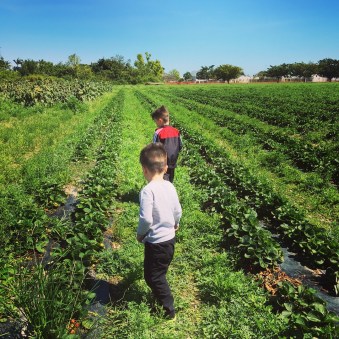
You can give kids some locally grown carrots, or fruits and vegetables, but if you teach them why sustainable food practices are important, much like the biblical story revolved around “giving a man a fish versus teaching a man to fish”, you’ll be supplying them with a lifetime of healthy choices that will benefit them for generations to come. Lessons like the importance of healthy eating and sustainable practices aren’t easy concepts to impart on kids, but when you make learning hands-on and fun, it’s much more relatable. As a mom and a grandmother, I’ve discovered ways to share these ideas with my family—and have incorporated several hobbies and lifestyle changes along the way.
Children will mimic anything and everything they watch their caretakers especially, do. If we, as their influencers, live lives that model a lack of appreciation for our bodies, wellness and the earth, by not only what we ingest, but more importantly by what we allow or require them to ingest, they will, in all likelihood carry that same negative pattern into their own parenting years.
Here a few valuable steps that I have taken with my tow grandsons, Lucas and Landon that has not only introduced the concept of exploring and eating the bountiful produce available to us from the land, but also allowed us to spend some incredibly quality time together.
- Plant a garden:
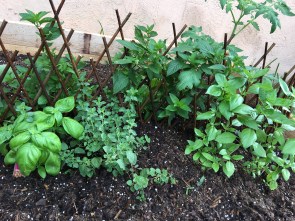
One of my absolute favorite things about my new home in what is considered south Florida’s farming district, is the herb and vegetable garden I began with Lucas and Landon. In a shaded corner of our playground sits an organic garden that grows fruits, vegetables, and herbs. By helping to grow their own fruits and vegetables, from planting seeds to picking and even selling fresh produce at a weekly farmers’ market, the boys learn every step that goes into bringing food from the farm to the table. This knowledge gives them an understanding of how hard it is to grow food and why sustainable food practices are so important. 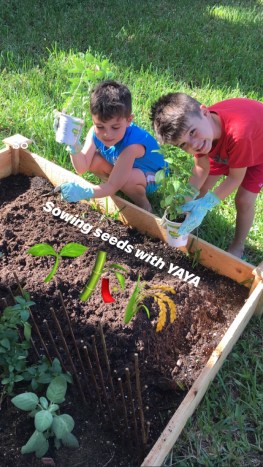
Look for a space that is underutilized in your back yard to see what steps you can take to transform it into a working garden. Inviting the boys to assist with the effort, from planning how the space will be used and prepping the soil, to planting and tending to the garden on a regular basis was an enjoyable win-win for all!
- Visit local “U-pick’ farms:
Kids, no matter what age love knowing that they are part of a bigger picture… that they are involved in something that is good not for themselves, but also for others. Helping to fund local farmers by purchasing their crops, whether it be peppers, strawberries, onions and or even some fresh flowers, allows that circle of goodness and sustainability to continue for years to come.
- Visit local farmers markets at home and when traveling:
Probably one of the most exciting and educational adventures we’ve tapped into is selecting and visiting different Farmers Markets and fruit and vegetable shows. This not only provides for some special time together, while tasting sample of different foods prepared by farmers, but also , by asking them the right questions, has afforded us a wealth of information as to how each farmer grows and operates their farm.
- Reduce waste /Recycle:
Understanding how to reduce waste is another important step to learning about sustainable food practices. I continue to teach my daughters and grandchildren to the importance of implementing a recycle program at home, while ensuring that our garden is kept well-nourished with organic compost created from the food scraps that the kids recycle. You can build and maintain your own compost bin if you have the space, or find a local composting facility you can donate to.
Sustainability and the importance of healthy eating aren’t always easy ideas to teach to younger minds, but applying the concepts to real-world experiences can make it much easier for kids to understand. And remember to share your family’s food journey with us at madeleinebydesign@gmail.com.
Wake, pray slay!
 health. faith. art. life.